
The main thing that sets merlots apart from white wines is the color, plain and simple. But here’s a cool fact that might surprise you: a lot of white wines actually come from red grapes. It’s like a magic trick in a bottle—winemakers press those grapes gently to keep the juice clear, turning what you’d expect into something light and crisp. People who love tasting wines and learning these quirky secrets will find this really eye-opening. Keep reading, and you’ll discover more about how colors can fool your taste buds in the best way possible.
The Tannic Element
White wines are defined for having low degrees of tannin, while merlots contain it in high quantities. I recognize what you’re assuming … It is safe to subtract, after that, that this tannic component is entirely responsible for a red wine’s color, fix? Right! Tannins position a substantial role in wine shade, since they carry the pigments that give it a dark, reddish hue. They are drawn out from grape stems, seeds and skins where they are discovered in high focus.
Color Hues
When gewurztraminers are made, these skins, stems and also seeds (lees) are separated from the must, or pressed grapes. Winemakers do this to stop the reddish color and qualities that tannins present in the red wine, therefore getting an amber-colored beverage, instead of a ruby-colored one.
Tannin concentrations depend not only on just how much of the lees are left in the fermentation vessel, yet additionally for how long they continue to be touching the must. Because of this, you will certainly locate various merlots with various colors of red. The darker the red is, the longer it has been in contact with the grape juice and also must.
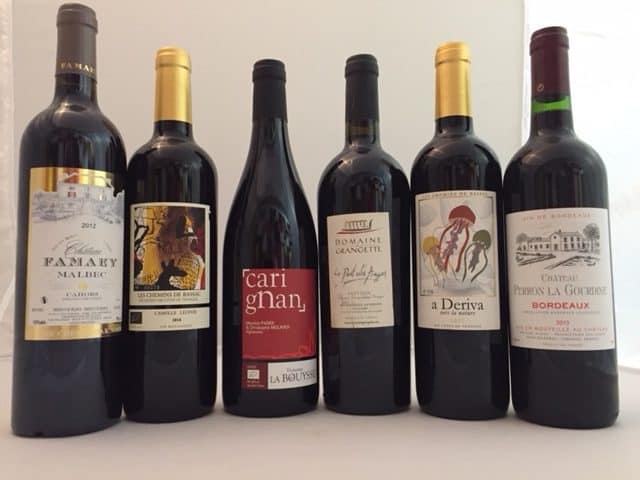
Wine Qualities According to Color
Apart from color, tannins offer glass of wines a hefty, round, complicated quality. This makes merlots warmer and also spicier in nature, full-bodied as well as with a prevalent sedimentation. On the various other hand, gewurztraminers tend to be crisp and light, and typically they mobilize red wine fanatics that are trying to find a fruity, rejuvenating drink.
Fermentation Practices: Whites vs. Reds
Merlot additionally differ from whites in regards to their fermentation and also ageing. Gewurztraminer, for one, are usually fermented at cool temperatures and for a very long time. Merlot, on the other hand, need warmer temperatures, and a speedier fermentation process. Check out the best winemaking starter kits in this link.
Wine makers use this temperature variation in gewurztraminer making in order to delay fermentation – which aids in the advancement of tannins. To compensate for the sluggish fermentation development, vintners expand the procedure to achieve a ‘tannic intricacy, but without high tannin contents.
The Impact of Oak in White Wine Ageing
Along with fermentation, making use of oak enhances tannin removal right into the a glass of wine. With this in mind, you’ll discover that darker red wines are most frequently aged in oak – which gewurztraminers are seldom exposed to this timber. One example of a gewurztraminer that is aged in oak is the Chardonnay.
Evidence of greater tannin material, Chardonnays are generally drier, slightly round-bodied as well as darker than various other white wines. In substitute to oak barrel ageing, white wines are most commonly dealt with in stainless steel vats. The use of steel not just prevents tannin removal, however it helps in temperature control as well as is extra budget friendly than traditional oak barrels.
Associated to tannin concentrations is the length of ageing. Aging offers best results in wines that use high tannic levels, as tannins totally establish and approve the aged red wine with an intricate high quality, complete body and robust flavor. Due to this, and also given that gewurztraminers have little tannins, these are advised to be matured for 12 months or much less.
